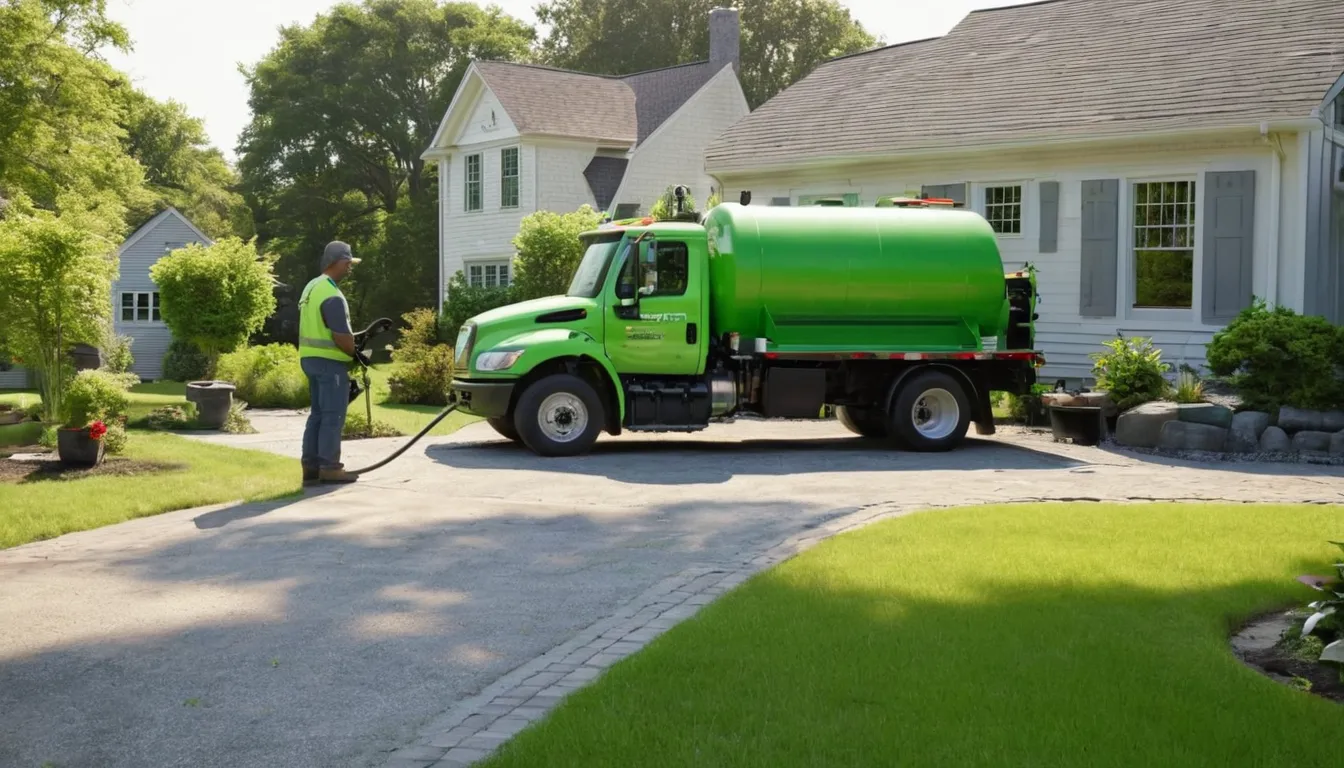
Septic Tank Pumping From Local Providers
Request an estimate in minutes
Is your septic tank due for a cleanout? If you just bought your first home with a septic system, this is a very common question. Septic tank pumping means a truck removes the sludge and scum that build up inside the tank. Without it, solids can spill into the drainfield, the part of the yard that filters wastewater.
Priorityblock Septic is a referral service. We do not pump tanks ourselves. We connect homeowners in Hammonton and the Hammonton area with independent providers in our network. You can request an estimate, compare written quotes, and ask questions before you agree to anything. Prices vary by tank size, access, and season, so we show typical U.S. ranges to help you plan.
Is Your Tank Full or Overdue? Start Here
How do you know it is time? Look for slow drains, gurgling pipes, sewage smells indoors or in the yard, and a soggy or unusually green patch over the tank or drainfield. Any one of these can mean the tank is too full.
If sewage is backing up into a tub or floor drain, stop using water in the house. Then ask about emergency septic cleaning. Availability differs from one provider to the next, so Request a callback to check provider availability.
What Does Pumping Actually Do?
A septic tank is a buried box that holds wastewater long enough for solids to settle. Heavy solids sink and form sludge. Grease and light solids float and form scum. Pumping removes both layers so the tank has room to work again.
It is routine upkeep, like changing the oil in a car. Skipping it is where the expensive trouble starts.
How Often Should You Pump?
There is no single schedule. Many households land somewhere between every three and five years. Your own number depends on a few things:
- Tank size: bigger tanks fill more slowly.
- People in the home: more people means more waste and water.
- Water habits: lots of laundry or long showers fill the tank faster.
- Garbage disposal use: it adds solids that settle as sludge.
A provider can measure the sludge layer and tell you when to come back. Ask for that date in writing.
What Drives the Price?
Why do quotes differ so much? Mostly it comes down to tank size, how far the truck must reach, and how hard the lid is to find. A buried lid means digging, and digging adds time. Heavy buildup from years without pumping can add cost too.
Season matters as well. Frozen ground and snow cover can slow the job. Typical U.S. ranges appear in the cost table on this page. Your real price depends on the job, so get a written quote before work begins.
What Happens During a Pumping Visit
The provider locates the tank and opens the lids. A hose pulls out the liquid and the sludge. Many providers then check the baffles, which are the inlet and outlet parts that guide the flow. They may also look at the water level for signs of trouble.
Most visits take a short while for a standard home tank. You do not usually need to do much, but clear a path to the lid.
Winter, Snowmelt, and Older Homes
Cold, snowy winters and freeze-thaw cycles make lids hard to reach. Mark yours in the fall so it is easy to find under snow. Spring snowmelt can saturate the soil, so a tank that is already full may start to struggle then.
If you own an older home with a stone or block foundation, the tank may be old too. Older tanks can be smaller or harder to access. Tell the provider what you know.
Pumping and Inspections
Is pumping the same as an inspection? No. Pumping empties the tank. An inspection looks at the tank, the baffles, and how the system is performing. Many people book both in one visit, because an empty tank is easier to examine.
Ask if the quote includes an inspection note and what it covers. If a provider spots a possible drainfield repair need, ask for the details in writing before you decide on next steps.
Buying or Selling a Home With a Septic System
Buyers often ask for a pumping and inspection before closing. Sellers can get ahead of surprises by pumping early and keeping the paperwork. Records of past service help show the system was cared for.
Caring for Your System Between Pumpings
Small habits protect your tank:
- Spread laundry across the week instead of doing it all in one day.
- Flush only toilet paper and human waste.
- Keep grease, wipes, and coffee grounds out of the drains.
- Do not park or drive over the tank or drainfield.
- Fix dripping faucets and running toilets quickly.
Have a Private Well Too?
Many rural homes use a septic system and a private well together. If that is you, tell the provider. They can note where the tank sits in relation to the well. If you notice a change in your water, ask about water well service as a separate step. It is a different job from pumping.
Questions to Ask the Provider
Not sure what to ask? Try these:
- What is the total price, and what could change it?
- What tank size are you assuming?
- Does the visit include an inspection of the baffles?
- Will you give me a written record afterward?
- Is there an added charge for digging, distance, or urgent timing?
Ask before you pay. Get it in writing.
What's Included
Tank Pumping
A truck removes sludge and scum so your tank has room to settle wastewater properly again.
Baffle Check
Many providers look at the inlet and outlet parts while the tank is empty.
Lid Location Help
Providers can find buried lids, and some can suggest easier access for future visits.
Urgent Cleanouts
Some providers handle backups and emergency septic cleaning, though availability varies, so ask when you request.
Typical Septic Pumping Costs
Prices change with tank size, access, and season. These are typical U.S. ranges, not quotes. Ask each provider for a written estimate that lists exactly what is included before work starts.
| Item | Typical range | Notes |
|---|---|---|
| Standard pumping, about 1,000 gallons | $250 – $600 | Common for smaller homes |
| Larger tank, 1,500 gallons or more | $400 – $900 | More volume means more time |
| Pumping plus basic inspection | $350 – $800 | Often booked together |
| Digging to find a buried lid | $100 – $400 | Depends on depth and frozen ground |
| Effluent filter cleaning | $75 – $250 | Only if your system has a filter |
| Urgent or after-hours service charge | $100 – $500 | Varies by provider and timing |
How It Works
Request an Estimate
Tell us about your home, tank size if known, and any symptoms. A local provider will follow up.
Compare Written Quotes
Look at price, what is included, and how the provider handles surprises.
Schedule the Visit
Pick a time that works. Clear a path to the lid and mark it.
Keep Your Records
Save the receipt and notes. They help with the next pumping and with any future sale.
Why Call Priorityblock Septic
Protect Drainfield
Pumping keeps solids out of the drainfield, which can be costly to fix once it clogs.
Avoid Backups
A tank with room to work is less likely to push sewage into your home.
Spot Problems
An open tank lets a provider notice cracks or worn baffles early.
Plan Costs
Routine pumping is a smaller, predictable expense compared with major repairs.
Other Services
Need septic tank pumping in Hammonton?
Questions about a septic or sewer problem? Send a request for an estimate and a local provider in our network can follow up with next steps.
No obligationSeptic Tank Pumping FAQ
How much does septic tank pumping cost?
Many U.S. homeowners see prices between about $250 and $900. Tank size, access, and season all matter, so ask for a written quote that lists what is included.
How often should a septic tank be pumped?
Many homes need pumping every three to five years. Household size, tank size, and water use change that, so ask a provider to measure the sludge and suggest a schedule.
Can I pump my septic tank in winter?
Often yes, but snow and frozen ground can make lids hard to reach and add time. Marking the lid in fall helps. Ask your provider about winter scheduling.
Get in touch
Questions about a septic or sewer problem? Send a request for an estimate and a local provider in our network can follow up with next steps.
No obligation